Biorevitalisation with Polynucleotides: How They Help Improve Skin Quality Naturally
In the evolving field of medical aesthetics, the focus has shifted beautifully from merely filling lines to genuinely regenerating the skin from within. As an Independent Nurse Prescriber with over 25 years of clinical healthcare experience, I have seen many trends come and go. However, regenerative medicine—specifically biorevitalisation using polynucleotides—represents a profound advancement in how we treat skin ageing, texture, and overall health.
If you have been researching ways to improve crepey skin, dark circles, or general skin laxity, you have likely come across the term "polynucleotides". But what exactly are they, and how do they differ from the treatments we already know? In this comprehensive guide, I will explain the science behind polynucleotides, what they do, and whether they might be the right choice for your skin journey.
What is Biorevitalisation?
Biorevitalisation is a regenerative medical treatment designed to deeply hydrate the skin, stimulate natural collagen and elastin production, and restore a youthful, healthy function to the skin cells. Unlike traditional treatments that might temporarily paralyse a muscle or physically plump a wrinkle, biorevitalisation works on a cellular level. It provides the skin with the biological tools it needs to repair itself, leading to gradual, natural, and long-lasting improvements in skin quality.
What are Polynucleotides?
Polynucleotides are highly purified DNA fractions, most commonly derived from salmon or trout DNA. In medical aesthetics, we use these highly purified, biocompatible fragments to signal our skin cells to regenerate.
When injected into the skin, polynucleotides do not act like a sponge (as hyaluronic acid does) or a physical volumiser. Instead, they act as cellular messengers. They bind to specific receptors on our skin cells, triggering a cascade of biological responses that promote tissue repair, reduce inflammation, and stimulate the production of new collagen and elastin.
How Do Polynucleotides Work?
The mechanism of action for polynucleotides is fascinating and rooted in regenerative medicine. Here is how they work inside your skin:
- Fibroblast Stimulation: Fibroblasts are the cells responsible for producing collagen and elastin. Polynucleotides stimulate these cells to multiply and become more active, leading to firmer, more resilient skin.
- Tissue Repair: They promote angiogenesis (the formation of new blood vessels), which improves blood flow and nutrient delivery to the skin, aiding in the repair of damaged tissue.
- Hydration and Extracellular Matrix Support: While not a traditional moisturiser, they help restore the extracellular matrix (the scaffolding of the skin), creating a healthier environment that naturally retains moisture better.
- Anti-inflammatory Action: Polynucleotides have significant free-radical scavenging properties, meaning they help neutralise oxidative stress and reduce cellular inflammation—a key driver of skin ageing.
What Skin Concerns Can Polynucleotides Help Improve?
Because they work by improving the overall health and function of the skin, polynucleotides are incredibly versatile. Clinical evidence supports their use for:
- Skin Ageing and Laxity: Improving firmness and reducing the appearance of fine lines and crepey skin.
- Under-Eye Rejuvenation: They are particularly effective for the delicate periocular (under-eye) area, improving dark circles, hollowing, and fine lines without the risk of puffiness associated with some traditional fillers.
- Neck and Décolletage Ageing: Excellent for treating the thin, often sun-damaged skin in these areas.
- Acne Scarring and Texture: By promoting tissue regeneration, they can help smooth uneven skin texture and improve the appearance of atrophic (indented) scars.
- Rosacea and Inflammation: Their anti-inflammatory properties can help calm reactive, inflamed skin conditions.
- Sun-Damaged Skin: Helping to repair cellular damage caused by UV exposure.
Are Polynucleotides the Same as Dermal Fillers?
No, they are fundamentally different. This is one of the most common points of confusion in clinic.
Polynucleotides vs. Dermal Fillers
Dermal fillers are typically made of cross-linked hyaluronic acid. They are designed to add physical volume, contour the face, and lift sagging tissues instantly. Polynucleotides do not add volume or change the shape of your face. They regenerate the skin itself.
Polynucleotides vs. Skin Boosters (e.g., Profhilo)
Skin boosters like Profhilo use pure, non-cross-linked hyaluronic acid to deeply hydrate the skin and provide a beautiful, short-term glow, while also offering some bio-remodelling. Polynucleotides go a step further; they are true bio-stimulators that repair cellular DNA and create long-term structural changes, though they may not provide the instant hydration boost of Profhilo.
Polynucleotides vs. PRP (Platelet-Rich Plasma)
Both are regenerative treatments. PRP uses your own blood platelets to stimulate healing. Polynucleotides use purified DNA fragments to achieve a similar, often more targeted and consistent, regenerative effect without the need for a blood draw.
Which Areas Can Be Treated?
Polynucleotides can be used almost anywhere on the body where skin quality is a concern, but the most common and effective areas include:
- The full face (for overall rejuvenation)
- The under-eye area (periocular region)
- The neck and décolletage
- The backs of the hands
- The scalp (for hair restoration)
The Treatment Journey: What to Expect
How Many Treatments Are Usually Recommended?
Biorevitalisation is a process, not a quick fix. Because we are asking your cells to change their behaviour and produce new proteins, this takes time. A standard protocol usually involves 3 to 4 sessions, spaced 2 to 4 weeks apart. Maintenance sessions are typically recommended every 6 to 9 months.
When Will I See Results?
You will not see an instant transformation before you leave the clinic. The regenerative process takes time. Most patients begin to notice improvements in skin texture, hydration, and brightness a few weeks after their second session. The most significant results—increased firmness and elasticity—develop gradually over 3 to 6 months as new collagen matures.
Are Polynucleotides Painful?
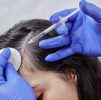
Patient comfort is a priority. During your consultation, we discuss pain management. We typically apply a topical numbing cream prior to treatment. The injections are superficial and administered using very fine needles or a micro-cannula. Most patients describe the sensation as a mild stinging or pressure, which is very tolerable and over quickly.
Recovery and Aftercare
Downtime is generally minimal, but you should expect some visible signs of treatment:
- Swelling and Bumps: You will likely have small, raised bumps (like mosquito bites) at the injection sites. These usually subside within 12 to 48 hours as the product is absorbed.
- Bruising: As with any injectable, mild bruising is possible, especially around the delicate eye area.
- Aftercare: Avoid touching the area, applying makeup, or engaging in strenuous exercise for 24 hours. Avoid saunas, steam rooms, and direct sun exposure for a few days. A gentle skincare routine is recommended.
Who May Not Be Suitable?
While polynucleotides are highly biocompatible, they are not suitable for everyone. Contraindications include:
- Pregnancy and breastfeeding
- Active skin infections or inflammation in the treatment area
- Known allergies to fish or seafood (as the product is derived from fish DNA)
- Certain autoimmune conditions (assessed on a case-by-case basis)
Are Polynucleotides Safe?
Yes, when administered by a qualified medical professional. The products we use are CE-marked and rigorously tested. Because they are highly purified, the risk of an allergic reaction is extremely low. However, the safety of any aesthetic treatment relies heavily on the expertise of the practitioner. A thorough medical consultation is essential to ensure the treatment is appropriate for you.
Current Scientific Evidence
The use of polynucleotides in medicine is not new; they have been used for decades in wound healing and orthopaedics. In aesthetic medicine, numerous peer-reviewed studies support their efficacy in improving skin elasticity, hydration, and collagen production. Research continues to evolve, particularly regarding their use in combination therapies (like microneedling) and specific inflammatory skin conditions.
Common Myths Addressed
- Myth: Polynucleotides are just another type of filler.
Fact: They do not add volume; they regenerate skin cells. - Myth: Results are instant.
Fact: Cellular regeneration takes time. Results develop over weeks to months. - Myth: They replace a good skincare routine.
Fact: They work best in conjunction with medical-grade skincare and daily SPF. - Myth: One treatment is enough.
Fact: An initial course of 3-4 treatments is required to achieve the desired cellular response. - Myth: They will make my face look puffy or "done".
Fact: Because they do not add physical volume, they provide completely natural-looking improvements in skin quality.
Practical Advice: Taking the Next Step
If you are noticing changes in your skin quality—perhaps it feels thinner, looks duller, or you are bothered by fine lines that weren't there before—polynucleotides offer a scientifically backed, natural approach to rejuvenation.
However, no single treatment is a magic wand. The best results come from a tailored treatment plan that addresses your unique anatomy, skin condition, and goals. I always recommend starting with a comprehensive, no-obligation consultation. Together, we can assess your skin and determine if polynucleotides, or perhaps another approach, is the right path forward for you.
Ready to discuss your skin health?
Book a complimentary consultation at our Cambridge clinic to explore how regenerative medicine can support your skin.
Book Free ConsultationFrequently Asked Questions
1. Are Polynucleotides worth it?
For patients seeking natural, long-term improvements in skin quality, elasticity, and hydration without altering their facial shape, polynucleotides are highly effective and considered a very worthwhile investment in skin health.
2. Do Polynucleotides hurt?
Discomfort is minimal. We use topical numbing cream and very fine needles or cannulas. Most patients experience only a mild stinging sensation during the brief procedure.
3. Can they replace dermal fillers?
No. They serve different purposes. Fillers replace lost volume and contour the face. Polynucleotides regenerate the skin itself. They are often used together for comprehensive rejuvenation.
4. Can I combine them with anti-wrinkle treatments?
Yes, they complement each other beautifully. Anti-wrinkle treatments relax the muscles that cause dynamic lines, while polynucleotides improve the quality of the overlying skin.
5. Can I combine them with microneedling?
Absolutely. Combining polynucleotides with microneedling can significantly enhance the regenerative effects, particularly for treating acne scarring and overall skin texture.
6. Are they better than PRP?
Neither is objectively "better"; they are different. Polynucleotides offer a standardised, highly concentrated dose of DNA fragments without requiring a blood draw, which some patients prefer over PRP.
7. How long do results last?
After completing the initial course, results typically last 6 to 9 months. We recommend a single maintenance session every 6 to 9 months to sustain the regenerative effects.
8. Can they treat dark circles?
Yes, they are one of the most effective treatments for the under-eye area. They thicken the delicate skin, improve microcirculation, and reduce pigmentation, which helps diminish dark circles.
9. Do they stimulate collagen?
Yes. Polynucleotides actively stimulate fibroblasts, the cells responsible for producing new collagen and elastin, leading to firmer skin over time.
10. Are they suitable in your 30s?
Yes, they are excellent for "prejuvenation" in your 30s. Starting regenerative treatments early helps maintain cellular function and delays the visible signs of ageing.
11. Can men have Polynucleotides?
Absolutely. Polynucleotides are highly popular among male patients because they improve skin quality discreetly, without altering facial masculine contours.
12. What happens if I stop treatment?
Your skin will simply resume its natural ageing process from its new, improved baseline. There is no sudden "crash" or worsening of the skin.
13. Can I wear makeup afterwards?
We strongly advise against wearing makeup for at least 24 hours post-treatment to minimise the risk of infection at the injection sites.
14. Can I exercise after treatment?
Please avoid strenuous exercise for 24 to 48 hours. Increased blood flow and sweating can exacerbate swelling and increase the risk of bruising and infection.
15. How soon before a holiday should I have treatment?
I recommend scheduling your treatment at least 2 to 3 weeks before a holiday. This allows ample time for any bruising or swelling to resolve and for the initial improvements to begin showing.
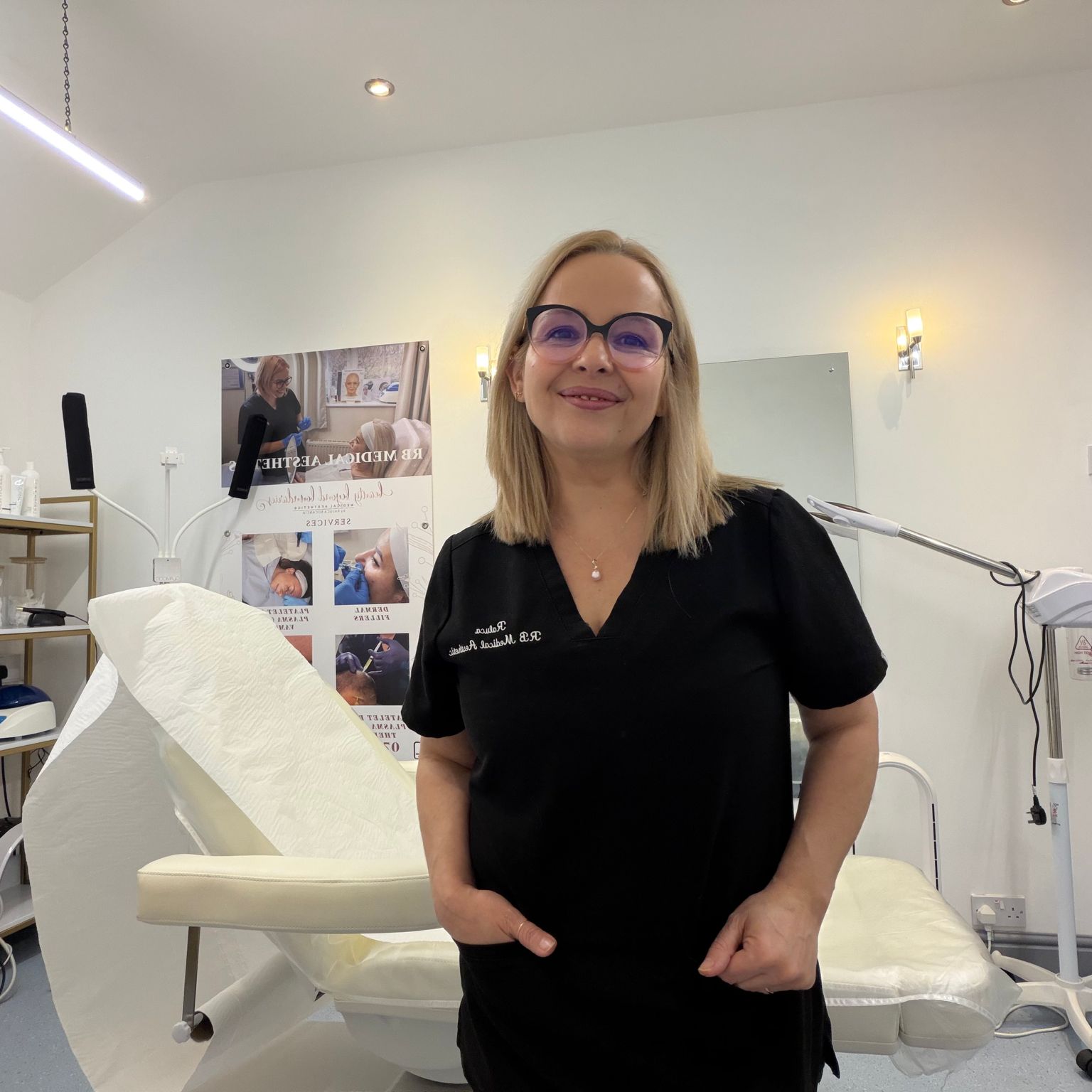
Written by Raluca
Registered Nurse and Independent Nurse Prescriber with over 25 years in healthcare. Founder of RB Medical Aesthetics in Cambridge, specialising in natural-looking, safety-led aesthetic and wellness treatments.
Ready to discuss your options?
If you found this article helpful and would like to explore what we can do for you, let's start with a free, no-obligation consultation at our Cambridge clinic.
Book Your Free Consultation