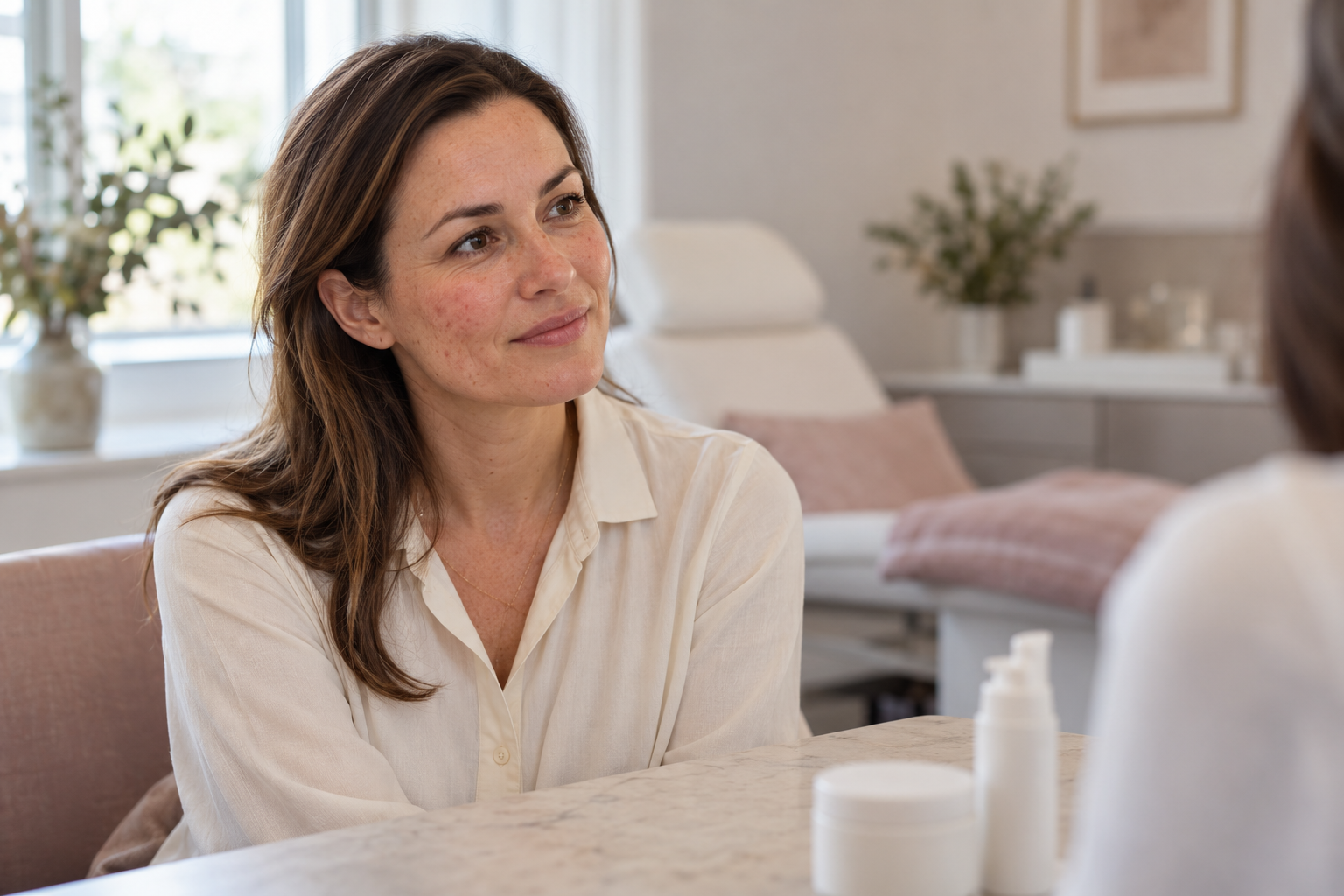
How Hot Weather Affects Your Skin (And How to Protect It)

As the UK enjoys warmer weather and rising temperatures, many of us are thrilled to spend more time outdoors. The sunshine certainly lifts our spirits, but the sudden shift to hot weather can take a toll on our skin.
As a Registered Nurse and the founder of RB Medical Aesthetics here in Cambridge, I see first-hand how the transition into summer affects my patients' skin health. From sudden breakouts to unexpected sensitivity and pigmentation flare-ups, hot weather skin problems are incredibly common. Today, I want to share my medical insights on exactly what the heat does to your skin and, more importantly, how you can protect it.
How High Temperatures Affect Your Skin
Our skin is our body's largest organ and acts as a protective barrier. When the temperature rises, it has to work overtime to regulate our internal temperature, primarily through sweating. This physiological response, combined with environmental factors, can trigger several changes in your skin.
Skin Dehydration
It might seem counterintuitive that your skin can become dehydrated when you are sweating, but that is exactly what happens. As sweat evaporates from the surface of your skin to cool you down, it takes vital moisture with it. This increased transepidermal water loss (TEWL) can leave your skin feeling tight, looking dull, and showing fine lines more prominently. Skin dehydration is one of the most frequent concerns I address during summer consultations at our Cambridge clinic.
Increased Oil Production and Breakouts
Heat directly stimulates the sebaceous glands, causing them to produce more sebum (oil). When this excess oil mixes with sweat, dead skin cells, and daily pollution, it creates the perfect environment for bacteria to thrive. This is why many people experience sudden summer breakouts, even if their skin is usually clear.
Rosacea Flare-ups and Sensitivity
For those prone to rosacea or general skin sensitivity, summer can be particularly challenging. Heat causes vasodilation, meaning your blood vessels expand to release heat. This leads to the characteristic redness and flushing associated with rosacea. Furthermore, UV exposure is a primary trigger for rosacea flare-ups, making sun damage prevention absolutely critical.
Worsening Pigmentation
Sun exposure stimulates melanocytes (the cells that produce pigment) to produce more melanin, which is how we tan. However, this process is rarely even. It can lead to hyperpigmentation, sun spots, and the worsening of conditions like melasma. Interestingly, it is not just UV light that triggers pigmentation; heat itself can stimulate melanin production.
Sun Damage and Premature Ageing
The most significant threat to skin health during summer is UV radiation. UVA rays penetrate deep into the dermis, breaking down collagen and elastin fibers, which leads to sagging and premature ageing. UVB rays affect the superficial layers, causing sunburn and increasing the risk of skin cancer. Protecting your skin from these rays is the foundation of any effective summer skin care routine.
Essential Summer Skin Care Advice
Adapting your skincare routine for the warmer months does not mean you need a complete overhaul. Instead, focus on these fundamental pillars of summer skin health.
1. Prioritise Hydration
Swap heavy, occlusive winter creams for lighter, water-based hydrators. Look for ingredients like hyaluronic acid and glycerin, which draw moisture into the skin without feeling heavy or clogging pores. Remember that hydration starts from within, so ensure you are drinking plenty of water throughout the day.
2. Non-Negotiable SPF Protection
If there is one piece of advice I give as an aesthetic nurse in Cambridge, it is this: wear a broad-spectrum SPF 50 every single day. Apply it generously as the last step in your morning routine, and reapply every two hours if you are outdoors. Do not forget easily missed areas like your neck, ears, and the backs of your hands.
3. Incorporate Antioxidants
Antioxidants, such as Vitamin C, act as your skin's second line of defence. While SPF protects against UV rays, antioxidants neutralize the free radicals generated by environmental stressors like pollution and infrared heat. Applying a Vitamin C serum every morning under your sunscreen significantly enhances your sun damage prevention strategy.
4. Gentle Cleansing
With increased sweat, oil, and sunscreen application, thorough cleansing is vital. However, avoid harsh, stripping cleansers that can damage your skin barrier. Opt for a gentle, balancing cleanser, and consider a double cleanse in the evening to ensure all traces of SPF and daily grime are completely removed.
5. Avoid Excessive Sun Exposure
The most effective way to protect your skin is to seek shade, especially between 11 am and 3 pm when the sun's rays are strongest. Wearing a wide-brimmed hat and oversized sunglasses provides excellent physical protection for the delicate skin on your face and around your eyes.
When to Seek Professional Advice
While a good home care routine is essential, sometimes your skin needs a little extra support. If you are struggling with persistent summer breakouts, worsening pigmentation, or severe dehydration, professional treatments can make a world of difference.
At RB Medical Aesthetics, we offer targeted solutions to support your skin health during summer. Treatments like skin boosters can provide deep, long-lasting hydration from within, while medical microneedling can help address pigmentation and texture issues once the peak summer sun has passed. A professional assessment allows us to tailor a plan specifically for your skin's unique needs.
Frequently Asked Questions
Do I need to wear SPF if I am staying indoors?
Yes. UVA rays, which are responsible for premature ageing and collagen degradation, can penetrate through window glass. If you are working near a window or driving, your skin is still exposed.
Can I still use retinol during the summer?
You can, but you must be incredibly diligent with your sun protection. Retinoids can make your skin more sensitive to the sun. If you spend a lot of time outdoors, we may advise reducing the frequency of use or switching to a gentler alternative during the hottest months.
Why does my skin feel oily but look dry?
This is a classic sign of dehydrated skin. When your skin lacks water, it tries to compensate by producing more oil. The solution is not to use harsh, drying products, but to increase your water-based hydration.
Are skin boosters safe to have in the summer?
Absolutely. In fact, summer is an excellent time for skin boosters. They act like an injectable moisturiser, delivering hyaluronic acid directly into the dermis to combat summer dehydration and restore a healthy, resilient glow.
How can I reapply SPF over makeup?
Reapplying over makeup can be tricky. I recommend using an SPF setting spray or a translucent SPF powder. These allow you to top up your protection throughout the day without disturbing your makeup.
Let's Protect Your Skin Together
Navigating summer skin care can sometimes feel overwhelming, but you do not have to do it alone. If you are concerned about how the heat is affecting your skin, or if you would like to discuss treatments to improve your skin's resilience, I am here to help.
Book a consultation at our Cambridge clinic, and we can create a tailored plan to keep your skin healthy, hydrated, and protected all summer long.
Book your consultation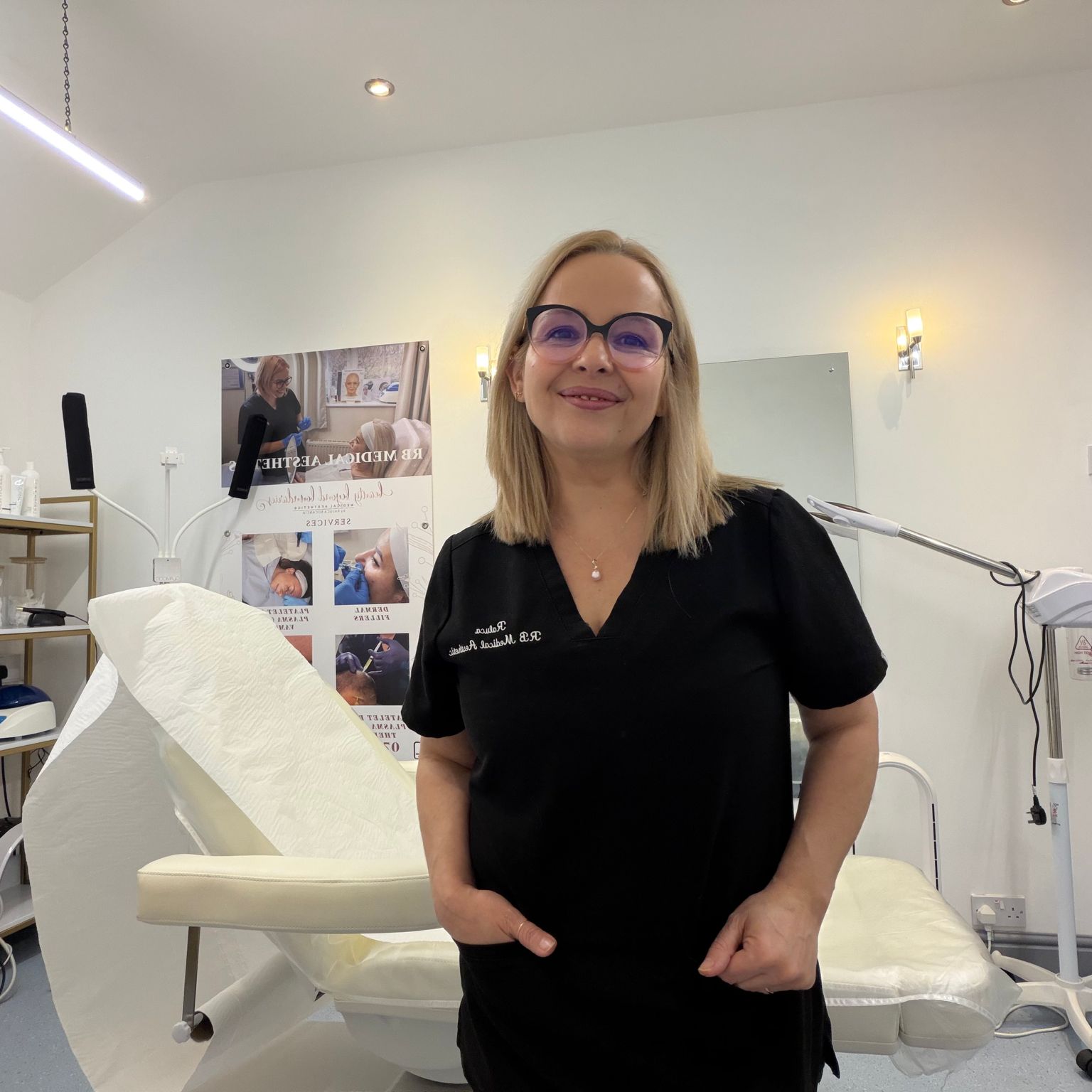
Written by Raluca
Registered Nurse and Independent Nurse Prescriber with over 25 years in healthcare. Founder of RB Medical Aesthetics in Cambridge, specialising in natural-looking, safety-led aesthetic and wellness treatments.
Ready to discuss your options?
If you found this article helpful and would like to explore what we can do for you, let's start with a free, no-obligation consultation at our Cambridge clinic.
Book Your Free Consultation