Can Hot Weather Make Dermal Fillers Swell? What You Need to Know
As the warmer months approach here in Cambridge, one of the most frequent questions I hear in the clinic is, "Can hot weather make my dermal fillers swell?" It is an excellent question. Whether you are preparing for a summer holiday abroad or simply enjoying a British heatwave, understanding how temperature affects your aesthetic treatments is vital for your peace of mind and your results.
The short answer is yes—hot weather can occasionally cause temporary swelling in areas treated with dermal filler. However, let me reassure you: this is a completely normal physiological response, and it does not mean your filler is damaged, migrating, or dissolving. As an Independent Nurse Prescriber, I want to explain exactly why this happens, what you can do to prevent it, and when you should seek professional advice.
The Science: How Hyaluronic Acid Fillers Interact with Water
To understand why swelling occurs, we must first look at the science behind the products we use. At RB Medical Aesthetics, I exclusively use premium hyaluronic acid (HA) dermal fillers.
Hyaluronic acid is a naturally occurring sugar molecule found in your skin, joints, and connective tissues. Its primary superpower is its ability to attract and hold up to 1,000 times its weight in water. This is what gives HA fillers their beautiful, hydrating, and volumising properties. However, this hydrophilic (water-loving) nature also means that when your body retains fluid—which frequently happens in hot weather—the hyaluronic acid in your filler will naturally draw in some of that excess moisture, leading to a feeling of fullness or mild swelling.
Why Swelling Appears Worse in Warm Weather: Vasodilation
Beyond fluid retention, your body's natural cooling mechanism plays a significant role. When you are exposed to heat, your body undergoes a process called vasodilation.
Vasodilation means your blood vessels widen to increase blood flow to the surface of the skin, allowing heat to escape and cool you down. This increased blood flow brings more fluid into the facial tissues. Because the lips are highly vascular (they have a very rich blood supply), they are particularly prone to this effect. If you have had lip filler, this sudden influx of fluid, combined with the water-attracting nature of HA, can make your lips feel temporarily larger or tighter during a heatwave.
Does Heat Actually Damage or Dissolve Dermal Fillers?
This is a very common myth, but the answer is a definitive no. Hot weather, saunas, and steam rooms will not melt, dissolve, or damage your dermal fillers.
The cross-linking technology used in premium HA fillers makes them incredibly stable. They are designed to sit comfortably within the human body at an internal temperature of 37°C. Environmental heat from the sun or a hot climate is nowhere near enough to break down the physical structure of the filler gel.
Can Sunshine Dissolve Fillers?
While the sun cannot melt your filler, unprotected UV exposure is highly detrimental to your skin's natural collagen and elastin. UV rays generate free radicals that break down the skin's structural support over time.
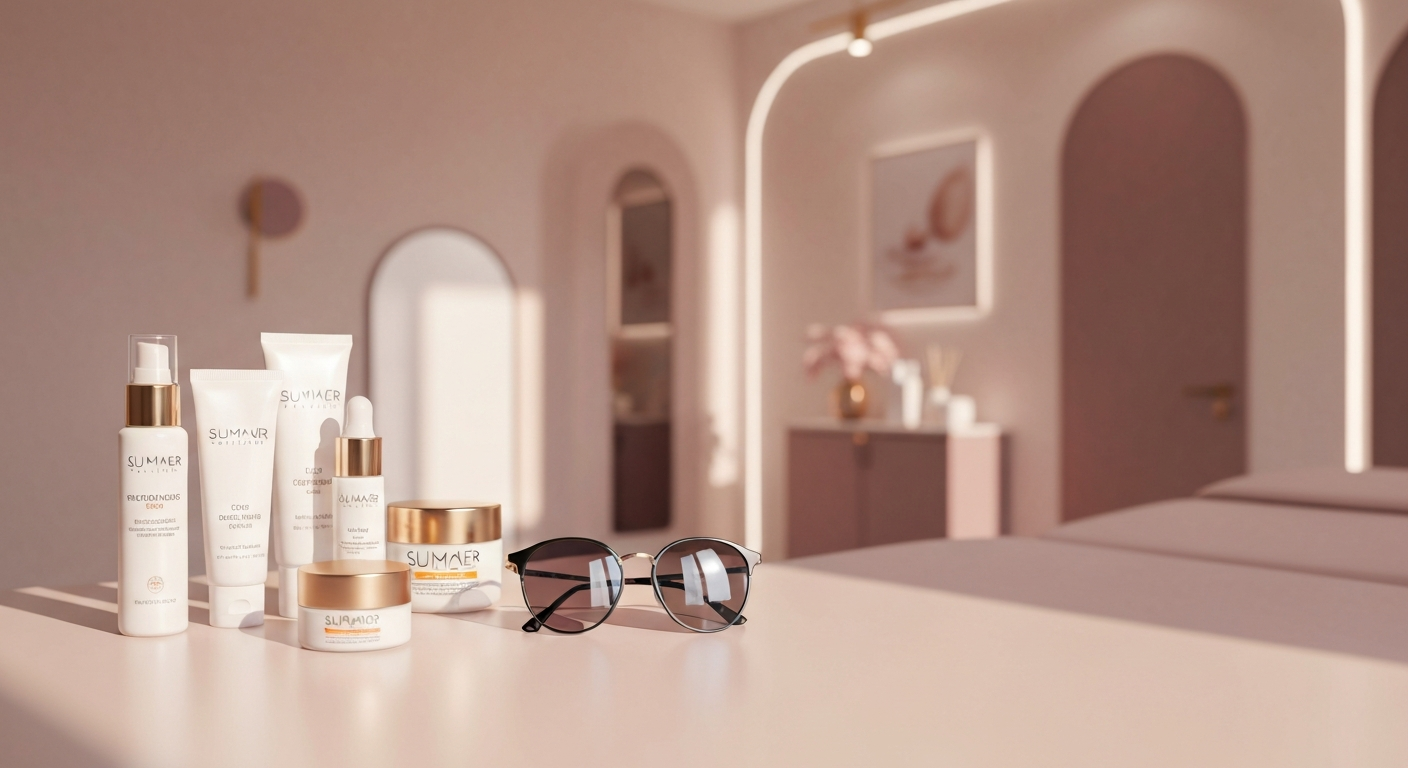
If your skin loses its natural elasticity and firmness due to sun damage, the aesthetic results of your filler will not look as supported or as youthful. Therefore, while the sun does not instantly dissolve the HA gel, chronic sun damage will compromise your overall results. A high-quality, broad-spectrum SPF 50 is non-negotiable for protecting both your skin and your aesthetic investment.
Exercising in Hot Weather After Fillers
Vigorous exercise increases your heart rate, blood pressure, and core temperature—all of which exacerbate vasodilation and swelling. If you have just had dermal fillers, I strongly advise avoiding strenuous exercise, hot yoga, or intense cardio for at least 48 hours post-treatment.
Even if your fillers are fully settled, running a marathon in the midday summer sun will likely cause systemic fluid retention, which may temporarily make your treated areas feel slightly puffy.
Is it Safe to Have Dermal Fillers During Summer?
Yes, it is entirely safe to have dermal fillers during the summer months, provided you follow appropriate aftercare advice. Many of my Cambridge patients schedule their appointments before summer holidays to ensure they look refreshed.
The key is timing. I always recommend booking your treatment at least two to three weeks before a major event or holiday. This allows ample time for any initial bruising or procedural swelling to resolve, and for the filler to integrate beautifully with your natural tissues.
Summer Aftercare: How to Minimise Swelling
If you do experience heat-induced swelling, there are several practical steps you can take to alleviate the discomfort:
- Stay Hydrated: It sounds contradictory, but drinking plenty of water helps flush excess sodium from your system, reducing overall fluid retention.
- Cool Compresses: Apply a clean, cool compress (not direct ice) to the area for 10-minute intervals. This constricts the blood vessels and reduces vasodilation.
- Avoid Salty Foods: High sodium intake is a primary culprit for water retention.
- Sleep Elevated: Use an extra pillow at night to prevent fluid from pooling in your face while you sleep.
- Limit Alcohol: Alcohol causes dehydration and vasodilation, both of which can worsen swelling.
Normal Swelling vs. Warning Signs
Heat-induced swelling should be mild, symmetrical, and painless. It typically resolves once you cool down or by the following morning.
However, as a medical professional, I must highlight the warning signs that require urgent clinical assessment. You should contact your clinic immediately if you experience:
- Severe, throbbing pain that is escalating.
- Skin discoloration (particularly pale, white, or mottled skin) in or around the injected area.
- Swelling that is hot to the touch, red, or accompanied by a fever (signs of infection).
- Significant asymmetry where only one side suddenly balloons up.
Patient safety is the cornerstone of RB Medical Aesthetics. We provide full out-of-hours contact details to all our patients for complete peace of mind.
Common Myths About Dermal Fillers and Hot Weather
Let's quickly debunk a few persistent myths:
- Myth: Flying in summer causes fillers to explode. False. Cabin pressure changes can cause mild, temporary swelling, but your fillers are perfectly safe at altitude.
- Myth: You cannot wear sunscreen over fresh filler. False. You must wait until the injection sites have closed (usually 4-6 hours) to prevent infection, but after that, SPF is essential.
- Myth: Heat makes filler migrate. False. Migration is usually the result of poor injection technique, inappropriate product selection, or overfilling, not the weather.
Frequently Asked Questions
1. Will my lip filler swell on holiday?
It is possible. The combination of heat (causing vasodilation), flying, and potentially saltier holiday foods or alcohol can cause mild, temporary swelling. It is harmless and usually subsides quickly.
2. Can I sunbathe after having dermal fillers?
You should avoid direct sun exposure and extreme heat for at least 48 hours after treatment to minimise the risk of excessive swelling and bruising. After the initial healing period, you can sunbathe, provided you use a high-quality SPF 50.
3. Does drinking water help with filler swelling?
Yes. Staying well-hydrated helps your body flush out excess sodium and reduces systemic fluid retention, which can inadvertently calm heat-induced swelling.
4. Will a hot sauna affect my fillers?
A sauna will not damage or dissolve settled fillers. However, you must avoid saunas, steam rooms, and hot tubs for at least 48 to 72 hours immediately following your injection to prevent severe swelling and reduce the risk of infection.
5. Can I use ice packs to reduce summer swelling?
Yes, but do not apply ice directly to the skin as it can cause ice burns. Wrap a cool pack in a clean cloth and apply it gently for 10-minute intervals.
6. How long does heat-induced swelling last?
Heat-induced swelling in settled fillers is usually very brief. It often subsides within a few hours of returning to a cool environment or after a good night's sleep in an air-conditioned room.
7. Can flying to a hot country cause swelling?
Yes, the change in cabin pressure during a flight can cause temporary fluid retention. When combined with stepping off the plane into a hot climate, it is very common to experience mild puffiness. This is harmless and resolves naturally.
8. Does sweat affect newly injected filler?
Sweat itself does not harm the filler, but sweating profusely immediately after treatment can increase the risk of bacteria entering the injection sites. This is why we advise avoiding heavy exercise for 48 hours.
9. Are certain areas more prone to swelling in the heat?
Yes, the lips and the delicate under-eye (tear trough) areas are the most prone to fluid retention and vasodilation, making swelling more noticeable here than in the cheeks or jawline.
10. Will antihistamines help with filler swelling?
Over-the-counter antihistamines can help if the swelling is related to a mild histamine response, which occasionally occurs. However, you should always consult your medical practitioner before taking medication for post-treatment swelling.
11. Can UV rays break down my filler faster?
While UV rays do not directly melt the HA gel, chronic sun exposure degrades your skin's natural collagen and hyaluronic acid. Poor skin quality will make your fillers degrade faster and look less optimal.
12. Should I wait until autumn to get fillers?
Not at all. You can safely receive dermal fillers year-round. Just ensure you plan your treatment a few weeks before any hot holidays and follow the clinical aftercare advice provided by your practitioner.
Clinical Care You Can Trust
Understanding how your body reacts to environmental changes is part of a responsible aesthetic journey. If you have any concerns about your dermal fillers, or if you are considering treatment and want to ensure you are in safe, medically qualified hands, I am here to help.
At RB Medical Aesthetics in Cambridge, every treatment begins with an honest, unhurried consultation. We prioritise natural results and clinical safety above all else.
Book your consultation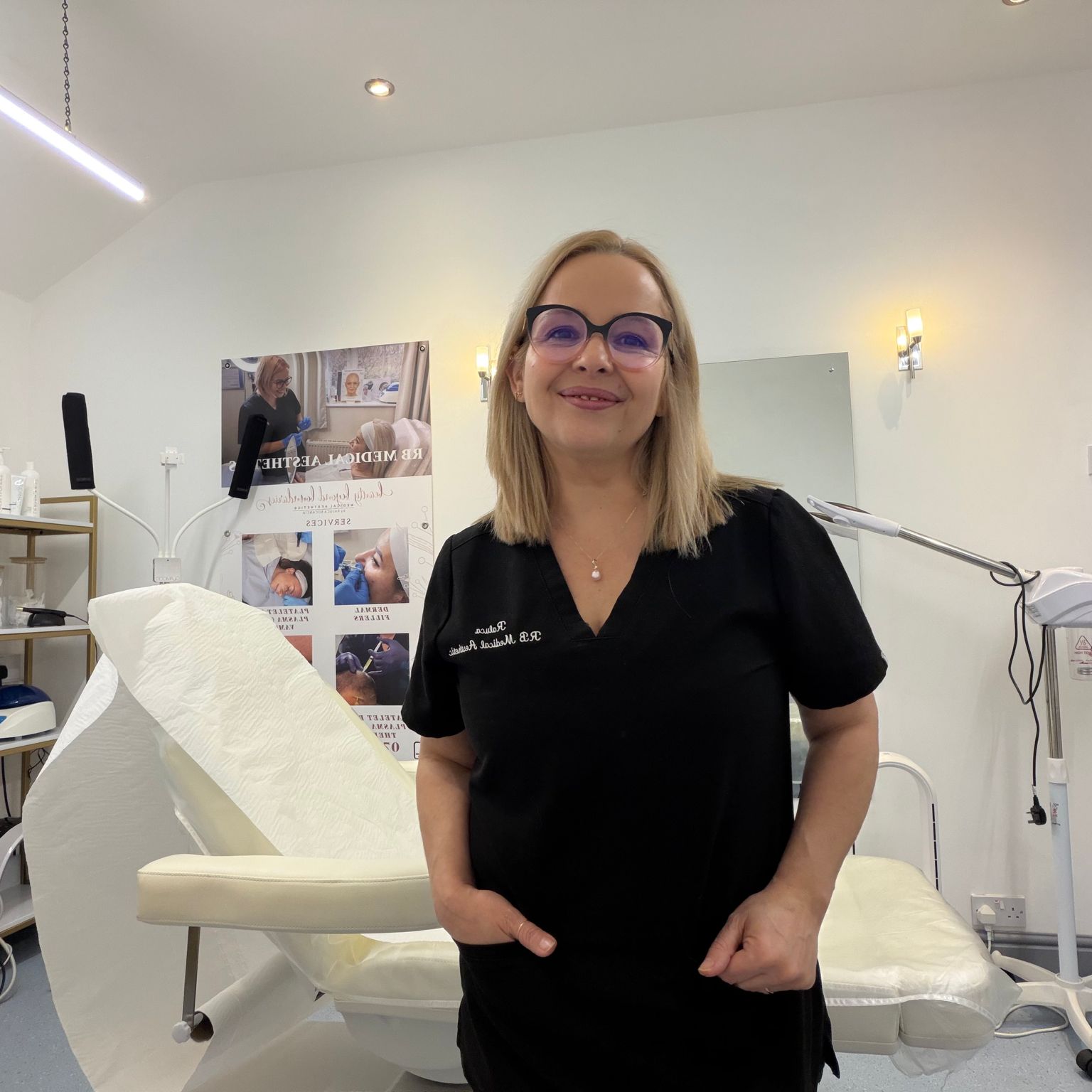
Written by Raluca
Registered Nurse and Independent Nurse Prescriber with over 25 years in healthcare. Founder of RB Medical Aesthetics in Cambridge, specialising in natural-looking, safety-led aesthetic and wellness treatments.
Ready to discuss your options?
If you found this article helpful and would like to explore what we can do for you, let's start with a free, no-obligation consultation at our Cambridge clinic.
Book Your Free Consultation