Pigmentation, Acne and Rosacea: Finding the Right Skincare for Your Skin

Written by Raluca Bocancia, Registered Nurse & Independent Nurse Prescriber
Founder of RB Medical Aesthetics, Cambridge | www.rbmedaesthetics.com
"My skin is breaking out, looking uneven and becoming sensitive. How do I know what to use?"
In my clinics in Cambridge, this is one of the most frequent dilemmas patients bring to consultation. You glance in the mirror and notice a blend of dark marks from old blemishes, sudden red bumps along the cheeks, a persistent flush that flares after a hot drink, and a surface that stings whenever you apply your usual moisturiser.
The instinctive reaction is often to purchase stronger products: an acid exfoliant to tackle the breakouts, a brightening serum for the dark marks, and an active peel to smooth uneven texture. Yet, overlapping symptoms rarely share the same biological driver. Acne, rosacea, hyperpigmentation and an impaired barrier require fundamentally different clinical strategies. Layering active upon active without an accurate assessment frequently converts manageable symptoms into acute, painful irritation.
As a Registered Nurse and Independent Nurse Prescriber with more than 25 years in healthcare, my clinical focus begins with listening, identifying the core condition, and respecting your skin’s barrier. Skincare ranges such as Obagi Medical have an established place within an individually assessed routine, available through my clinic’s online shop. However, no single product range is a universal solution for every patient, and cosmetic skincare will never replace appropriate medical assessment when an underlying skin condition requires formal care.
Key Takeaways at a Glance
- Different roots require different plans: Acne, rosacea and pigmentation frequently overlap, but treating rosacea redness like an ordinary teenage breakout often exacerbates the problem.
- Barrier protection comes first: If your skin stings, burns or feels uncomfortably tight, pause potent actives and restore barrier lipids before attempting targeted treatments.
- Daily broad-spectrum SPF is non-negotiable: UV radiation stimulates melanin production and acts as a well-documented trigger for rosacea flares.
- Selected Obagi Medical products have a role: Targeted non-prescription cleansers, moisturisers and antioxidants can complement an assessed routine, but they are not a substitute for individual medical diagnosis.
- Know the medical red flags: Changing pigmented moles, eye discomfort associated with rosacea, and severe, cystic or scarring acne require prompt GP, ophthalmology or dermatology review.
Why Understanding Your Skin Concern Comes First
Before introducing any new skincare product, it is vital to take a step back and evaluate your skin as a living, reactive organ rather than a canvas to be scrubbed. When patients visit me in Cambridge, we begin with a detailed clinical consultation that reviews:
- Symptom timeline: When did the changes first appear, and have they fluctuated with seasons, stress, menstrual cycles or lifestyle shifts?
- Current routine and past reactions: Exactly which cleansers, exfoliants, moisturisers and sunscreens you apply daily, including any history of contact dermatitis or stinging.
- Medication and medical history: Prescription medicines, over-the-counter supplements, and known allergies.
- Sun exposure and lifestyle: Daily habits, outdoor activity, and adherence to broad-spectrum protection.
- Pregnancy or breastfeeding: Crucial physiological factors that determine which ingredients can safely be considered.
- Prior diagnoses: Have you been formally evaluated by a GP or dermatologist for eczema, seborrhoeic dermatitis or rosacea?
An educational conversation or an online skincare review is valuable for selecting well-tolerated cosmetic options, but it cannot and must not replace a comprehensive in-person medical evaluation.
Pigmentation: Not All Dark Marks Are the Same
Patients often describe any uneven brown or grey discolouration as "pigmentation", but the underlying mechanisms differ significantly:
- Post-Inflammatory Hyperpigmentation (PIH): Flat dark marks that linger after an inflammatory lesion has resolved, such as a picked spot, an insect bite or eczema. PIH occurs because the inflammatory cascade signals epidermal melanocytes to produce excess melanin, which then deposits into neighbouring keratinocytes or the dermis.
- Melasma: Typically symmetric, patchy pigmentation characterised by irregular borders across the cheeks, bridge of the nose, forehead and upper lip. Melasma is heavily driven by hormonal fluctuations (such as pregnancy, oral contraceptives or HRT), genetic predisposition, visible light, heat, and ultraviolet radiation.
- Solar Lentigines (Sun Spots): Well-circumscribed macules that accumulate after chronic ultraviolet exposure over years, most visible on the face, décolletage and hands.
Daily broad-spectrum sun protection with high UVA/UVB defence is the absolute foundation of managing every form of hyperpigmentation. Without it, even minor incidental daylight triggers melanogenesis, reversing weeks of gradual improvement. Ingredients such as topical vitamin C (L-ascorbic acid), azelaic acid, arbutin and niacinamide have evidence supporting their ability to soften uneven tone over time.
A vital medical distinction: Any new, rapidly changing, asymmetrical, dark, bleeding or irregularly bordered skin lesion must never be treated as cosmetic pigmentation. If you notice a changing mole or solitary suspicious mark, book an urgent assessment with your GP or a dermatologist.
Acne: Supporting the Skin Without Overtreating It
Acne vulgaris is a multifactorial chronic inflammatory skin condition involving androgen-mediated excess sebum production, follicular hyperkeratinisation (sticky pore linings), colonisation by Cutibacterium acnes, and host inflammatory responses. It is distinct from occasional pre-menstrual blemishes or cosmetic-induced pore congestion.
According to official NHS guidance on acne, acne is not caused by poor personal hygiene or dirty skin. In fact, aggressive physical scrubbing, cleansing multiple times a day with stripping surfactants, and piling on multiple leave-on acids damages the stratum corneum, elevates transepidermal water loss (TEWL), and amplifies cutaneous inflammation.
A balanced skincare routine for acne-prone skin focuses on gentle, pH-balanced cleansing, lightweight non-comedogenic hydration, daily sunscreen, and evidence-supported non-prescription ingredients such as salicylic acid (BHA) to assist follicular clearance, or benzoyl peroxide to manage bacterial load. Where acne presents with deep, painful nodules, cysts, evidence of permanent scarring, or is causing psychological distress, non-prescription skincare alone is insufficient; formal medical intervention through your GP or a specialist dermatologist is essential.
Rosacea: Redness Needs a Different Approach
Rosacea is a chronic neurovascular and inflammatory condition that primarily affects the central facial regions. As detailed in the official NHS guidance on rosacea, signs can include transient facial flushing, persistent erythema (redness), visible telangiectasia (broken blood vessels), stinging, dryness, and inflammatory papules or pustules. On deeper skin tones, redness may be subtle, presenting instead as a feeling of heat, tightness or dusky discoloration.
Because rosacea papules can resemble acne blemishes, patients often mistakenly apply harsh acne cleansers, clay masks and strong chemical peels. This is a critical error: rosacea-prone skin features an intrinsically delicate epidermal barrier and hyper-reactive cutaneous nerves. Stripping products provoke immediate flushing, burning and sustained flare-ups.
Caring for rosacea-prone skin requires exceptionally mild, non-foaming cleansers, barrier-reinforcing moisturisers rich in ceramides or glycerin, strict mineral-based or high-tolerance sunscreens, and the gradual identification of personal triggers (such as alcohol, spicy food, extreme temperatures or emotional stress). Azelaic acid has robust evidence for calming papulopustular rosacea, but strong acid blends and fragranced formulations should be avoided.
Ocular rosacea warning: Up to half of people with cutaneous rosacea experience ocular symptoms, including dry, gritty, red eyes, swollen eyelids, or sensitivity to light. If you experience eye pain, significant blurred vision or marked ocular discomfort, seek prompt medical assessment from a GP or optometrist to prevent corneal complications.
When the Skin Barrier Is Struggling
The stratum corneum is your body’s frontline shield. When its lipid matrix is compromised by over-cleansing, weather changes, or excessive actives, patients experience:
- Immediate stinging when applying gentle water or bland cream.
- A persistent sensation of tight, parched or crepey skin.
- Flaking accompanied by sudden superficial breakouts.
- Heightened reactivity to environmental shifts and temperature.
Social media frequently mislabels this acute irritation as "purging", encouraging people to push through the discomfort. True retinoid or acid purging refers only to accelerated turnover of pre-existing microcomedones in acne-prone zones; it does not involve generalised burning, facial swelling or widespread dermatitis. If your barrier is compromised, the smartest clinical action is to stop all active ingredients, adopt a minimalist routine focused on lipid replenishment, and allow the skin to recover before attempting targeted therapies.
Where Obagi Medical Skincare May Fit
Obagi Medical is a long-established skincare brand founded on scientific principles. Selected non-prescription formulations can serve as targeted tools within an individually assessed skincare routine. However, it is important to maintain clinical realism: the phrase "medical-grade skincare" is a commercial marketing descriptor rather than a formal UK regulatory classification, and using it does not guarantee that every product in a range is appropriate for your specific skin barrier.
Within my Cambridge clinic and through my official online shop, we consider selected non-prescription Obagi options where clinically appropriate:
- Gentle Cleansing: For sensitive or barrier-compromised complexions, mild, soap-free cleansers such as the Obagi Nu-Derm Gentle Cleanser cleanse impurities without stripping the lipid bilayer.
- Targeted Antioxidant Support: Vitamin C formulations such as the Obagi Professional-C Serum (available in 10%, 15% and 20% L-ascorbic acid strengths) provide antioxidant protection against free-radical damage and assist in evening skin tone when tolerated.
- Barrier Hydration: Moisturising formulations like Obagi Hydrate utilise hydromanil and emollients to lock in moisture without clogging pores.
- Daily Photoprotection: Formulations such as Obagi Sun Shield Matte Broad Spectrum SPF 50 combine chemical and physical filters to protect against both UVA and UVB rays, essential for managing pigmentation and preventing rosacea flushing.
Important regulatory note: In strict adherence to UK advertising standards and MHRA guidelines, I do not advertise, prescribe or promote prescription-only medicines (POMs) directly to the public online. Any prescription therapies require an in-person, one-to-one clinical consultation with a registered prescriber.
A Simple Comparison Table
To help clarify how common skin concerns differ, here is a practical clinical overview:
| Skin Concern | What You Notice | Skincare Priorities | What to Avoid | When Medical Input is Needed |
|---|---|---|---|---|
| Pigmentation | Brown/grey patches, post-spot marks, sun spots | Daily broad-spectrum SPF 50, Vitamin C, azelaic acid, gentle turnover | Unprotected sun exposure, harsh aggressive scrubbing, picking spots | New, changing, bleeding or asymmetric moles/lesions |
| Acne | Blackheads, whiteheads, papules, oily sheen | Gentle pH cleanser, lightweight non-comedogenic moisture, BHA/salicylic acid | Aggressive physical scrubs, picking/squeezing, thick occlusive balms | Deep painful cysts, scarring, persistent non-responsive acne |
| Rosacea | Flushing, persistent redness, broken vessels, sensitive spots | Ultra-gentle non-foaming wash, soothing barrier creams, mineral SPF | Astringents, alcohol, strong AHA peels, harsh retinoids, known triggers | Eye irritation (dryness, pain, light sensitivity), severe persistent flares |
| Barrier Irritation | Stinging on contact, tight crepey feel, dry flaky patches | Strip back to bland cleanser, ceramide/glycerin balm, gentle mineral SPF | All exfoliants, vitamin C, retinoids, fragranced products, hot water | Severe swelling, oozing, suspected contact allergy or infection |
How I Approach a Skincare Plan in Clinic
When you consult with me at RB Medical Aesthetics, we do not simply hand over a predetermined bundle of products. I believe in a calm, methodical clinical pathway:
- Listen and understand: We establish what bothers you most, whether that is daily redness, stubborn marks or painful blemishes.
- Audit your existing routine: We review the products you are currently using to identify hidden irritants, over-cleansing habits or conflicting ingredients.
- Prioritise barrier health: If your skin is sensitive or reactive, our first milestone is always restoring hydration and tolerance.
- Introduce changes gradually: Rather than swapping every product overnight, we introduce one targeted formulation at a time and monitor how your skin responds over several weeks.
- Regular review: Skin physiology shifts with weather, hormones and lifestyle; your routine should be flexible enough to adapt.
Skin Concerns and Emotional Wellbeing
It is impossible to discuss facial skin conditions without addressing the emotional weight they carry. Persistent acne breakouts, unpredictable rosacea flushing, or widespread melasma can significantly erode self-esteem, leading to social anxiety and avoidance. Both the NHS and the British Skin Foundation highlight the documented link between chronic skin disorders and emotional distress.
Skincare cannot resolve underlying mental health struggles, but having your concerns heard by a healthcare professional who approaches your skin with empathy, reassurance and evidence-based care can restore a sense of control. If your skin is having a profound impact on your mental wellbeing, speaking with your GP about dedicated psychological support alongside medical skin management is an important, proactive step.
When Skincare Alone Is Not Enough
A conscientious aesthetic nurse recognises the boundaries of cosmetic skincare. There are clear clinical scenarios where you should pause over-the-counter purchases and consult a medical doctor:
- Severe or scarring acne: Cystic lesions that leave depressed or raised scars require early medical therapy to prevent permanent tissue changes.
- Ocular symptoms in rosacea: Grittiness, photophobia or ocular pain requires prompt GP or ophthalmology assessment.
- Changing pigmented spots: Moles or dark marks that grow, change colour, bleed, itch or possess irregular margins must be examined using dermatoscopy.
- Severe allergic reactions: Rapid swelling, hives or intense vesicular eruptions suggest contact dermatitis or allergy.
- Failure to improve: If symptoms worsen despite careful barrier management, an alternative dermatological diagnosis may be present.
Frequently Asked Questions
Is Obagi skincare suitable for everyone?↓
No single skincare range is universally suitable for every individual. While Obagi Medical offers thoughtfully formulated cleansers, moisturisers, sunscreens and antioxidants, suitability depends entirely on your specific skin type, barrier integrity, allergies and clinical concerns.
Can the same routine help acne and pigmentation together?↓
Certain ingredients, such as azelaic acid and niacinamide, can gently address both blemishes and post-inflammatory hyperpigmentation. However, the routine must be carefully balanced to prevent over-exfoliation from triggering further inflammation.
Is rosacea the same condition as acne?↓
No. Although papulopustular rosacea presents with red spots that look similar to acne, rosacea is a neurovascular and inflammatory condition without the blackheads or excess sebum seen in acne. Treating rosacea with harsh acne washes usually exacerbates flushing and redness.
Can skincare help marks left after spots?↓
Yes. Post-inflammatory hyperpigmentation typically responds well over several months to consistent daily broad-spectrum sun protection, gentle cellular turnover, and topical tyrosinase-modulating ingredients such as vitamin C and azelaic acid.
Can sensitive skin use active ingredients?↓
Sensitive skin can often benefit from targeted actives once the baseline moisture barrier is intact. The key is starting with low concentrations, buffering with moisturiser, and introducing the active slowly (e.g. once or twice a week) rather than daily.
How do I know if a product is irritating my skin?↓
Signs of irritation include persistent stinging upon application, tightness, heat, rough flaking, or diffuse red patches. If these symptoms occur, pause the product immediately and return to basic hydration.
Does a tingling or stinging reaction mean the product is working?↓
No. Skincare does not need to sting, burn or peel to be effective. Persistent stinging is a clinical sign of barrier disruption or contact irritation, not product efficacy.
How long should I allow before reviewing a skincare routine?↓
The epidermis renews itself approximately every 28 to 40 days in adults. While barrier soothing can be felt within days, improvements in hyperpigmentation and acne texture generally require consistent use for 8 to 12 weeks before meaningful clinical evaluation.
Do I need to replace all my existing products at once?↓
Rarely. In fact, replacing everything at once makes it impossible to tell which product helped or triggered an adverse reaction. A phased, gradual approach is safer and far more economical.
Can I use Obagi products alongside prescribed skin treatments?↓
Only under clinical guidance. Gentle non-comedogenic cleansers and sunscreens often pair well with medical therapies, but combining active cosmetic products with prescription topicals can increase the risk of severe dermatitis. Always discuss this with your prescribing clinician.
How can I choose products through your online shop?↓
You can register through my Obagi Medical online shop to browse official formulations. However, if you are unsure which products suit your skin barrier or have overlapping concerns, contacting me first for an assessed review is strongly recommended.
When should I see my GP about my skin?↓
You should see your GP if acne is painful, cystic or leaving scars, if rosacea causes persistent burning or eye symptoms, if you have a changing or bleeding mole, or if your skin condition is affecting your mental health.
Explore Skincare Built Around Your Skin
If pigmentation, breakouts or sensitivity have left you unsure what to use, I can help you understand your options and build a routine around your skin. You can register through my Obagi Medical online shop, or contact me if you would like guidance before choosing.
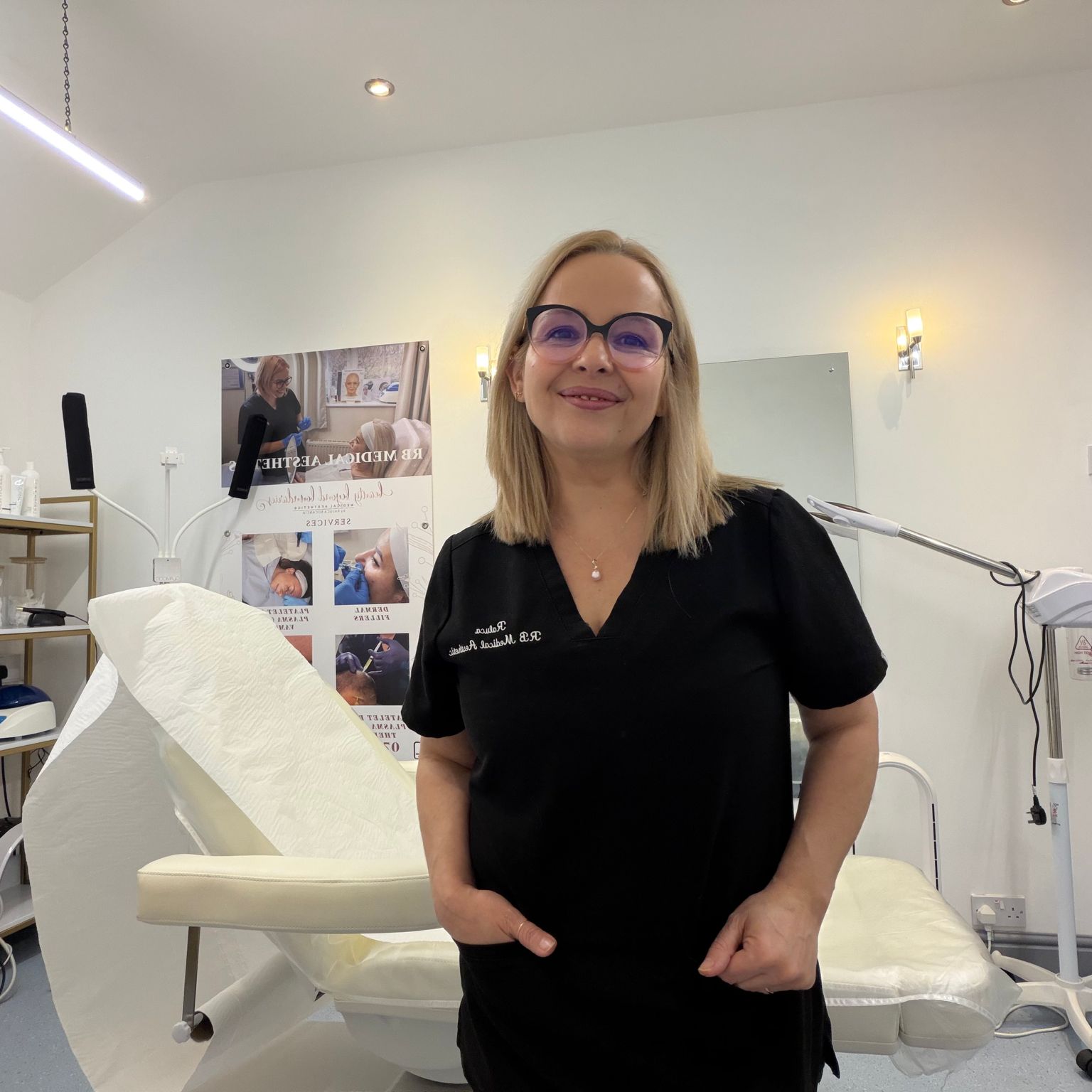
Written by Raluca
Registered Nurse and Independent Nurse Prescriber with over 25 years in healthcare. Founder of RB Medical Aesthetics in Cambridge, specialising in natural-looking, safety-led aesthetic and wellness treatments.
Ready to discuss your options?
If you found this article helpful and would like to explore what we can do for you, let's start with a free, no-obligation consultation at our Cambridge clinic.
Book Your Free Consultation