Thinning Hair in Women: Causes, Treatments and When to Seek Help
Written by Raluca Bocancia, Registered Nurse and Independent Nurse Prescriber, Founder of RB Medical Aesthetics, Cambridge.
Medical Disclaimer: This article provides general educational information and cannot replace an individual medical assessment, diagnosis, or clinical consultation. If you notice sudden, painful, patchy, or scarring hair loss, please consult your GP or a dermatologist promptly.
Key takeaways at a glance
- Common yet distinct: Female hair loss is remarkably common, but gradual density reduction (female pattern hair loss) differs fundamentally from sudden generalised shedding (telogen effluvium).
- Investigate before treating: Correcting underlying nutritional, iron, thyroid, or hormonal triggers is often more clinically decisive than immediately starting cosmetic procedures.
- Regrowth depends on follicle viability: Dormant or miniaturised follicles can often be stimulated, but scarred or inactive follicles cannot be regenerated non-surgically.
- Evidence-based therapies: Platelet-rich plasma (PRP), topical solutions, and tailored nutrition offer supportive benefits for non-scarring conditions when appropriately diagnosed.
- Red flags require medical referral: Scalp pain, burning, redness, pustules, or smooth round patches warrant prompt GP or dermatology assessment.
Finding more hair in your brush, noticing a widening central parting, or feeling your ponytail become noticeably lighter can feel deeply unsettling. For many women who visit our Cambridge clinic, hair is intrinsically linked with personal identity, vitality, and confidence.
Why is my hair getting thinner, and can it grow back?
The short, honest answer is that whether hair can regrow depends entirely on the underlying cause, how long the thinning has been developing, and whether the hair follicles remain viable and capable of producing terminal hair.
When thinning is caused by temporary physiological shedding (such as after illness, rapid weight loss, or childbirth) or early follicular miniaturisation, effective interventions and restorative treatments can often stimulate regrowth or preserve hair density. However, if hair follicles have suffered prolonged scarring, severe long-standing atrophy, or inflammation, follicular recovery may be limited. That is why female hair thinning should never simply be dismissed as an inevitable sign of ageing, stress, or menopause without an appropriate clinical assessment.
What does thinning hair in women look like?
Female hair thinning presents in distinct patterns. Recognising how your hair is changing is the first essential step in identifying its root cause:
- Increased hair shedding: Finding large clumps on your pillow, in the shower drain, or during brushing, often across the entire scalp.
- Gradual reduction in overall density: The hair feels lighter and less voluminous, but without sudden clumps falling out.
- Widening of the central parting: A hallmark presentation of female pattern hair loss, where the scalp becomes increasingly visible along the crown while the frontal hairline is often preserved.
- Thinning around the temples: Receding or wispy hair at the sides of the forehead, frequently influenced by hormonal shifts or chronic tension.
- A smaller ponytail circumference: One of the earliest subjective signs women notice before individual bald spots appear.
- Patchy hair loss: Distinct, coin-sized smooth circles, which often indicate an autoimmune condition like alopecia areata.
- Hair breakage versus follicle loss: Snapped, frayed shafts with short uneven lengths, often caused by thermal or chemical damage rather than an issue inside the follicle.
What is a normal amount of hair shedding?
Every hair follicle on your scalp operates on an independent biological cycle consisting of four continuous phases:
- Anagen (growth phase): Lasting between two and seven years, where hair actively grows from the follicle.
- Catagen (transition phase): Lasting roughly two to three weeks, during which growth ceases and the outer root sheath shrinks.
- Telogen (resting phase): Lasting approximately three months, where the hair remains in the follicle while a new hair begins forming underneath.
- Exogen (shedding phase): The mature hair naturally detaches and sheds from the scalp.
While daily shedding between 50 and 100 hairs is often cited as average, counting individual hairs is neither practical nor clinically definitive. Daily shedding naturally fluctuates with washing frequency, hair thickness, and styling habits. What matters clinically is a marked departure from your individual normal baseline.
What causes thinning hair in women?
Female hair loss is multifaceted. In our Cambridge clinic, we assess patients comprehensively because hair changes frequently reflect wider internal health:
1. Female Pattern Hair Loss (Androgenetic Alopecia)
This is the most common cause of progressive hair thinning in adult women. It has a strong genetic predisposition and involves sensitivity to androgen hormones. Over successive cycles, vulnerable hair follicles undergo "miniaturisation"—producing progressively finer, shorter, and less pigmented hairs until the follicle stops producing visible hair altogether. Women typically experience diffuse thinning across the crown and top of the head while retaining their frontal hairline.
2. Telogen Effluvium (Acute and Chronic)
Telogen effluvium occurs when a significant systemic, physiological, or emotional shock prematurely shifts a large percentage of growing (anagen) hairs into the resting (telogen) phase. Because the resting phase lasts about two to three months, the noticeable shedding typically emerges eight to twelve weeks after the triggering event. Common triggers include high fever or viral illness, major surgery, severe emotional bereavement, rapid weight loss, postpartum hormonal crashes, or stopping certain medications.
3. Perimenopause and Menopause
During the menopausal transition, declining levels of oestrogen and progesterone alter the protective hormonal balance. With less circulating oestrogen to support the anagen growth phase, the relative ratio of androgens increases, accelerating follicle miniaturisation in genetically predisposed women. However, menopausal hair changes must not be attributed solely to hormones without checking iron stores and thyroid function.
4. Postpartum Hair Shedding
During pregnancy, elevated oestrogen prolongs the growth phase, meaning very little hair sheds. Following delivery, hormones plummet, causing months of deferred shedding to happen simultaneously. While alarming, this is typically self-limiting and resolves within 6 to 12 months.
5. Nutritional Deficiencies and Metabolic Factors
Hair follicle matrix cells are among the most metabolically active cells in the human body. Deficiencies in serum ferritin (stored iron), vitamin D, vitamin B12, folate, zinc, or dietary protein deprive follicles of the building blocks required for healthy cellular synthesis. However, indiscriminate supplementation is not recommended; excess vitamin A or selenium can actually induce hair shedding. Targeted investigation is essential.
6. Thyroid Dysfunction and Systemic Health Conditions
Both an underactive (hypothyroidism) and overactive (hyperthyroidism) thyroid gland can trigger diffuse thinning and dry, brittle hair. Autoimmune conditions and systemic chronic illness can similarly disrupt hair cycling.
7. Polycystic Ovary Syndrome (PCOS)
Women with PCOS may produce elevated androgen levels, which can trigger scalp hair thinning alongside irregular menstrual cycles, adult acne, and hirsutism. A formal GP evaluation is always recommended.
8. Traction Alopecia and Mechanical Stress
Repeated mechanical tension from tight ponytails, buns, cornrows, or heavy hair extensions damages the follicle root. If caught early, relaxing hair practices allows recovery; persistent tension over years can cause irreversible scarring loss.
Can rapid weight loss cause hair shedding?
Yes. Rapid weight loss is currently one of the most frequent triggers for acute hair shedding seen in clinical practice. When caloric intake drops suddenly, or when the body undergoes rapid metabolic adaptation—whether through restrictive dieting, bariatric surgery, or weight management therapies—the body prioritises vital organs (brain, heart, liver) over non-essential tissue like hair.
This metabolic shock triggers telogen effluvium, usually manifesting 2 to 3 months into significant weight loss. If you are undergoing clinical weight management and notice shedding, speak to your prescribing clinician or GP to review your protein intake and micronutrient markers rather than discontinuing prescribed treatments abruptly.
How is female hair thinning assessed?
A thorough, unhurried assessment is the cornerstone of responsible clinical practice. At RB Medical Aesthetics, we begin with an in-depth clinical consultation exploring:
- Timeline, onset, and rate of shedding or thinning
- Recent illnesses, medical procedures, or acute life stressors
- Dietary patterns, rapid weight fluctuations, and protein intake
- Menstrual history, pregnancy, perimenopause, or HRT
- Family history of female or male pattern hair loss
- Current medications, supplements, and styling routines
- Scalp sensations: itching, tenderness, burning, or tightness
We then examine the scalp under magnification to evaluate follicular density, hair shaft diameter diversity, and scalp skin integrity. Where appropriate, we guide patients towards targeted GP or private phlebotomy blood profiles to rule out underlying deficiencies before proposing any in-clinic treatment.
What blood tests may be considered?
Blood investigations should always be clinically tailored rather than ordered as a generic battery. Relevant markers often include:
Full Blood Count (FBC)
Checks for anaemia, infection, and red blood cell indices.
Ferritin & Iron Studies
Evaluates cellular iron storage essential for follicle matrix division.
Thyroid Function (TSH, FT4)
Screens for hyperthyroidism and hypothyroidism.
Vitamin D & B12 / Folate
Key micronutrients supporting cell proliferation and immunity.
Evidence-based treatment options
Once an accurate diagnosis is established, a tailored combination of medical, procedural, and lifestyle interventions can be considered:
1. Platelet-Rich Plasma (PRP) Therapy
PRP for hair loss is an autologous regenerative procedure. A small sample of your own blood is drawn and centrifuged to concentrate platelets rich in growth factors (such as PDGF, VEGF, and TGF-beta). When gently injected into thinning areas of the scalp, these growth factors stimulate dermal papilla cells, enhance microvascular blood flow, and encourage miniaturised follicles back into an active growth phase. While not a cure for scarring alopecias or complete baldness, systematic reviews have shown promising improvements in hair calibre and density for suitable candidates with female pattern thinning.
2. Topical Minoxidil
Topical minoxidil is a licensed, evidence-backed treatment for female pattern hair loss available over the counter in the UK. It acts as a potassium channel opener, promoting vasodilation around follicles and prolonging anagen. It requires daily, ongoing application, and an initial temporary shedding phase is common during the first few weeks as telogen hairs are shed to make way for new growth.
3. Scalp Microneedling
Medical microneedling creates micro-channels in the scalp stratum corneum, prompting a natural wound-healing cascade, release of platelet-derived growth factors, and enhanced product absorption. It must be performed under strict clinical asepsis to avoid scalp folliculitis.
4. Low-Level Light Therapy (LLLT)
Regulated red light devices (650–670 nm) stimulate mitochondrial respiration in follicle cells. Evidence indicates mild-to-moderate improvements in density when used consistently over several months.
Comparing Hair Restoration Options
| Treatment | Type | Primary Target | Downtime | Evidence Level |
|---|---|---|---|---|
| PRP Therapy | Autologous procedure | Follicle stimulation & density | 24–48 hours mild tenderness | Moderate / Growing clinical trials |
| Topical Minoxidil | Daily topical medicine | Anagen prolongation | None (continuous use) | High (licensed for FPHL) |
| Nutritional Correction | Diet & targeted supplements | Iron, vitamin, protein support | None | High when deficiency is present |
| Scalp Microneedling | Clinical procedure | Collagen & growth factor induction | 24 hours mild redness | Moderate (often combined) |
| Hair Transplant Surgery | Surgical grafting | Permanent follicular relocation | 1–2 weeks | High for stabilised donor-safe cases |
What happens during a PRP hair consultation and treatment?
At our Haslingfield clinic, we make sure every patient feels informed, relaxed, and supported throughout the procedure:
- 1. Clinical consultation & scalp exam: Reviewing medical history, reviewing blood test results if available, taking baseline photographs with consent, and discussing realistic goals.
- 2. Blood sample collection: A gentle blood draw (approximately 10–20 ml), identical to a standard routine blood test.
- 3. Centrifugation & separation: Your blood sample is spun in a certified medical centrifuge to separate red blood cells from the platelet-rich plasma layer.
- 4. Scalp administration: Using ultra-fine micro-needles, the golden plasma is injected into the dermal layer across the thinning areas. While not completely painless, discomfort is minimal and well-tolerated.
- 5. Aftercare & recovery: Mild scalp tenderness, erythema, and pinpoint swelling typically settle within 24 to 48 hours.
When to see your GP or a dermatologist (Red Flag Symptoms)
Not all hair conditions are suitable for aesthetic treatment. You should contact your GP or request a dermatology referral if you notice any of the following:
- Sudden, rapid, or extensive hair loss appearing within days or weeks
- Smooth, completely bald circular patches (alopecia areata)
- Scalp pain, severe burning, intense itching, or tenderness
- Visible scalp redness, pustules, crusting, or scaling
- A shiny scalp surface with loss of visible follicle pores (signs of cicatricial / scarring alopecia)
- Loss of eyebrows, eyelashes, or body hair
- Symptoms of systemic illness: unexplained weight changes, profound fatigue, or extreme temperature intolerance
Common myths about female hair thinning
- Myth: Frequent washing causes hair to fall out. Washing merely dislodges hairs that have already entered the exogen shedding phase days or weeks earlier. Keeping the scalp clean actually prevents follicular inflammation.
- Myth: Trimming your hair makes it grow back thicker. Trimming removes split ends and improves the cosmetic appearance of hair shafts, but has zero influence on the biological activity inside the follicle.
- Myth: Biotin supplements cure hair thinning in everyone. Biotin deficiency is exceedingly rare in individuals consuming a balanced diet. High-dose biotin can even interfere with critical laboratory thyroid and cardiac tests.
- Myth: One session of PRP is enough for permanent results. PRP operates as a regenerative cycle. An initial course of 3 to 4 treatments spaced four weeks apart is standard, followed by periodic maintenance to support ongoing cellular activity.
- Myth: Hair loss after menopause is untreatable. While hormonal shifts are real, personalised medical assessment and regenerative therapies can frequently stabilise thinning and enhance hair diameter.
Discuss your hair health in confidence
If you are concerned about increased shedding or gradual thinning, a calm, confidential consultation can help identify your pattern, review relevant blood work, and discuss whether PRP therapy or medical referral is right for you.
Book Your Free ConsultationOr take the hair thinning quiz firstFrequently Asked Questions
1. Why is my hair suddenly thinning?
Sudden, widespread shedding is often acute telogen effluvium triggered by an event roughly two to three months prior, such as severe illness, high fever, surgery, extreme psychological stress, rapid weight loss, or hormonal changes. A medical consultation helps identify the exact trigger.
2. How can I tell whether I am shedding too much hair?
Rather than attempting to count individual hairs daily, look for distinct changes in your personal baseline: large amounts accumulating in brushes, hair coming out easily with gentle tugs, or a noticeable reduction in ponytail thickness.
3. Can female hair thinning grow back?
Yes, in many non-scarring cases. Temporary shedding from telogen effluvium often recovers once the trigger is resolved, while early female pattern thinning can often be stabilised and improved with evidence-based therapies like PRP or minoxidil.
4. Is female hair loss caused by menopause?
Declining oestrogen and progesterone during perimenopause and menopause can unmask an underlying genetic sensitivity to androgens, leading to thinning across the crown. However, iron deficiency and thyroid imbalance should always be ruled out as well.
5. Can rapid weight loss cause hair shedding?
Yes. Rapid weight loss places the body under acute metabolic stress and can alter protein and micronutrient availability, shifting growing follicles into premature resting phases. It typically stabilises once nutrition and weight plateau.
6. Can nutritional deficiencies cause thinning hair?
Yes. Insufficient ferritin (iron stores), vitamin D, vitamin B12, folate, or protein intake directly impairs the rapidly dividing cells of hair follicles. Targeted blood testing identifies if supplementation is warranted.
7. Should I take biotin for hair loss?
Unless you have a clinically diagnosed biotin deficiency (which is rare), taking high-dose biotin is unlikely to improve hair loss and can distort laboratory blood test results, including thyroid and troponin panels.
8. What blood tests might be considered for thinning hair?
A full blood count (FBC), serum ferritin, thyroid function (TSH/FT4), vitamin D, and B12/folate are common foundational tests. Hormonal panels may be considered if symptoms of PCOS or perimenopause are present.
9. Does PRP really work for female hair loss?
Peer-reviewed systematic reviews demonstrate that autologous PRP can significantly improve hair density, hair shaft thickness, and follicular survival in patients with early to moderate female pattern hair loss and non-scarring thinning.
10. Is PRP suitable for every type of hair loss?
No. PRP is designed for non-scarring hair loss where viable follicles remain. It is not suitable for scarring (cicatricial) alopecias or complete baldness where follicles have fibrosed.
11. How many PRP sessions might I need?
A standard clinical protocol involves an initial course of 3 to 4 treatments spaced approximately 4 weeks apart, followed by maintenance reviews every 6 to 12 months depending on your personal response.
12. When might I notice a change after PRP?
Because hair grows at approximately 1 cm per month, visible changes occur gradually. Most women notice a reduction in daily shedding first, followed by improvements in hair texture, strength, and visible density around 3 to 6 months after starting.
13. Does PRP hair treatment hurt?
Most patients find the micro-injections very tolerable. We use ultra-fine gauge needles, and the procedure is completed quickly. Some mild stinging or pressure during injections is normal.
14. How long do PRP results last?
Results typically persist for 9 to 12 months following an initial course. Because genetic and hormonal thinning factors continue naturally, periodic single maintenance sessions help sustain follicle stimulation.
15. Can PRP be combined with minoxidil?
Yes. Clinical studies suggest that combining PRP with topical minoxidil can have a complementary synergistic effect, stimulating follicles through different biological mechanisms.
16. Can PRP be combined with scalp microneedling?
Yes, when performed under sterile conditions by a qualified professional. Microneedling activates wound-healing growth factors that complement the regenerative plasma.
17. Can PRP help a receding hairline?
If the hairline has early thinning with miniaturised, fine hairs present, PRP can help strengthen them. If the hairline is completely smooth and bare with no remaining viable follicles, PRP cannot restore hair there.
18. Can PRP treat alopecia areata?
Alopecia areata is an autoimmune condition requiring medical dermatological evaluation. While small trials have explored PRP for resistant patches, primary frontline care is typically managed by a GP or dermatologist.
19. Can PRP restore permanently damaged follicles?
No. PRP stimulates biological repair in functioning or underperforming hair follicles. It cannot revive follicles that have undergone permanent cicatricial (scarring) destruction.
20. Can I wash my hair after PRP?
We generally recommend waiting 24 hours before gently washing your hair with warm water and a mild shampoo to allow the micro-injection sites to fully seal.
21. Can I exercise after PRP treatment?
Please avoid strenuous workouts, heavy sweating, and hot yoga for 24 to 48 hours following treatment to reduce the risk of irritation, swelling, or infection.
22. Can I colour my hair before or after PRP?
You should colour or bleach your hair at least 48 to 72 hours before your appointment, or wait at least one week after treatment once the scalp has completely settled.
23. Is PRP suitable during pregnancy or breastfeeding?
As a clinical safety precaution, we do not undertake elective aesthetic or PRP treatments during pregnancy or breastfeeding.
24. What happens if I stop PRP treatment?
Stopping PRP will not cause a sudden rebound shedding. Your hair follicles will simply resume their natural biological progression over subsequent months from their current state.
25. When should I see a dermatologist about hair loss?
Seek urgent dermatology advice if you experience scalp pain, redness, pustules, scarring, smooth bald patches, or loss of body hair and eyebrows. Delaying assessment in scarring conditions risks irreversible loss.
Scientific & Clinical References
- British Association of Dermatologists (BAD). Guidelines for the management of alopecia areata and female pattern hair loss. bad.org.uk
- NHS UK. Women and hair loss: causes and treatment overview. nhs.uk/conditions/hair-loss
- Giordano S, Romeo M, Lankinen P. Platelet-rich plasma for androgenetic alopecia: Does it work? Evidence from meta-analysis. J Cosmet Dermatol. 2018;17(3):374-389.
- Malkud S. Telogen Effluvium: A Review. J Clin Diagn Res. 2015;9(9):WE01-WE03.
- Almohanna HM, et al. The Role of Vitamins and Minerals in Hair Loss: A Review. Dermatol Ther (Heidelb). 2019;9(1):51-70.
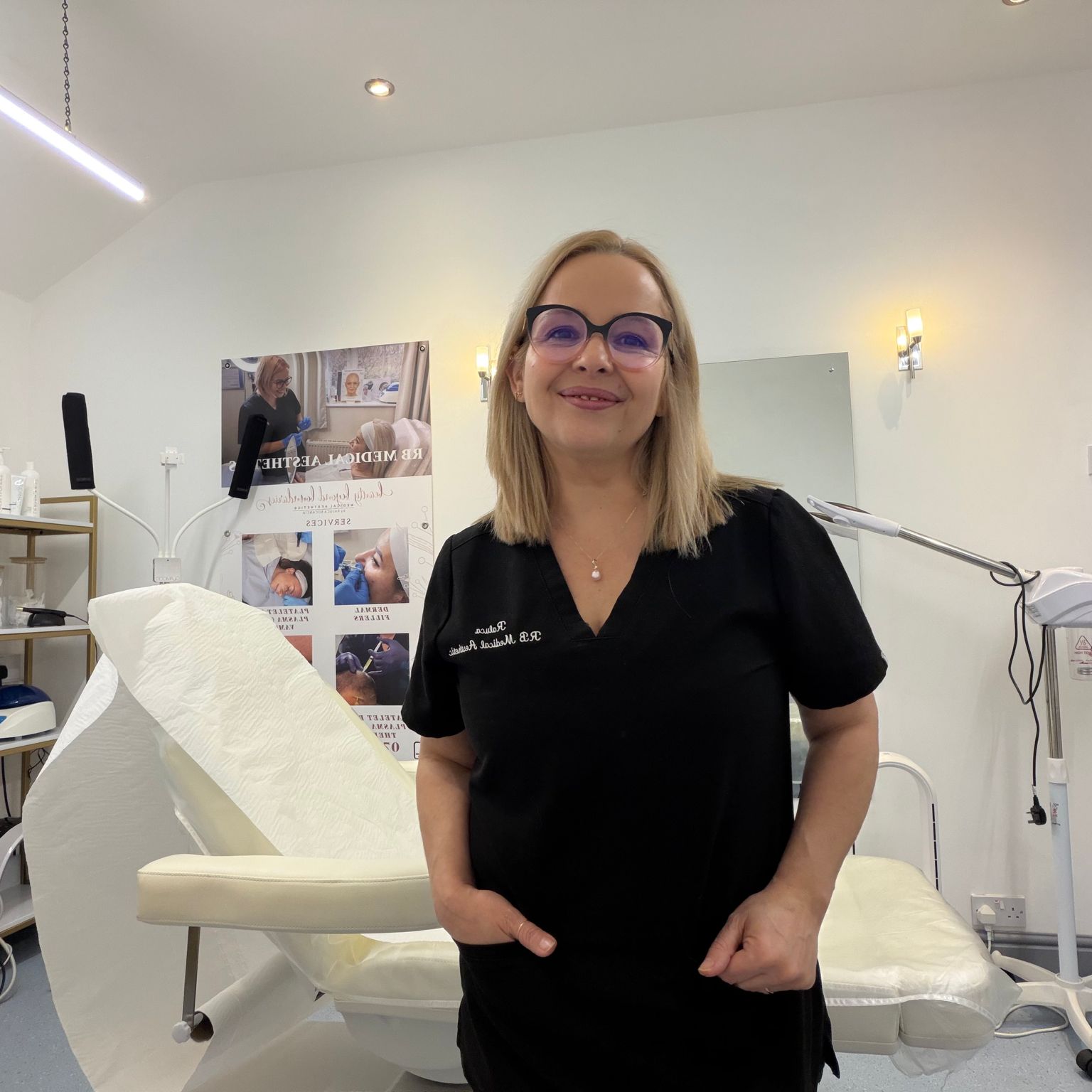
Written by Raluca
Registered Nurse and Independent Nurse Prescriber with over 25 years in healthcare. Founder of RB Medical Aesthetics in Cambridge, specialising in natural-looking, safety-led aesthetic and wellness treatments.
Ready to discuss your options?
If you found this article helpful and would like to explore what we can do for you, let's start with a free, no-obligation consultation at our Cambridge clinic.
Book Your Free Consultation